
Have you ever scrolled through remodeling videos and wondered how much the project cost? Remodeling quotes can feel like they’re pulled from thin air, leaving homeowners scratching their heads and putting projects on hold. The truth is, costs follow a logic—one that isn’t always obvious at first glance.
In this guide, we’ll pull back the curtain on what impacts remodeling costs the most. You’ll discover which choices move the price needle, how unseen variables add up, and practical ways to keep your spending in check without sacrificing style or quality. Read on to gain clarity, sidestep surprises, and plan a remodel that delivers lasting value.
Where the Big Numbers Come From
Before we break things down, it helps to outline what impacts remodeling costs at a high level: scope, materials, and labor. A handful of core elements account for the lion’s share of any remodeling bill. Understanding these drivers helps you predict expenses before the first hammer swings.
Scope and Square Footage
The size of your project sets the baseline. Expanding a footprint, relocating walls, or finishing an entire basement introduces structural work, drywall, flooring, and systems extensions that simply don’t exist in cosmetic updates. Because trades are billed by labor hours and material quantities, each additional square foot increases costs. Scaling back a layout, reusing existing walls, or confining work to a defined zone instantly softens the budget blow.
Materials: Economy vs. Premium
Cabinetry, countertops, flooring, tile, fixtures, and finishes span a wide price range. Opting for stock cabinets and porcelain tile can cost a fraction of the cost of custom millwork and marble. Beyond the sticker price, premium materials often require specialized installation, adding labor charges on top of that. Create two finish schedules—“need” and “nice to have.” Mix and match strategically, and you’ll see immediate savings without a noticeable downgrade in visual impact.
Labor and Trade Complexity
Even a modest kitchen can involve carpenters, plumbers, electricians, HVAC techs, tile setters, and painters. Rates vary by region, union vs. non-union status, and the scarcity of skilled pros. Tasks that demand permits, inspections, or intricate craftsmanship can also result in higher fees.
Choosing features that simplify installation—such as single-handle faucets over wall-mounted faucets, or pre-finished flooring over site-finished flooring—reduces hours and manpower, bringing the quote down.
Hidden and Variable Costs You Might Miss
Some of the less obvious remodeling price factors lurk behind finished walls and under old flooring. Once you grasp the obvious expenses, it’s time to shine a light on the subtle line items that sneak onto invoices.
Structural Surprises
Until walls come down, no one can confirm the exact condition of framing, wiring, or plumbing. Discovering outdated knob-and-tube wiring or termite-damaged studs mid-demo triggers change orders that swell the bottom line. Building a 10–15% contingency into your budget cushions these jolts and keeps the project moving.
Permit Fees and Code Upgrades
Municipalities require permits for everything from electrical rewiring to deck replacements. Fees differ city to city, while code updates—such as GFCI outlets or energy-efficient insulation—may require additional materials and inspections. Research local rules early so permit costs don’t blindside you.
Market Fluctuations
Material prices shift with global supply chains, seasonal demand, and fuel costs. Lumber spiked dramatically in recent years, adding thousands to framing packages. Locking in contracts and purchase orders ahead of volatility can protect your budget. A savvy contractor will track trends and advise on the timing of big purchases. Keeping an eye on commodity reports can ultimately shave real dollars off your renovation costs.
Smart Moves for Controlling Your Budget
Recognizing the cost drivers is one thing; steering them in your favor is another. These strategies help you stretch dollars while still reaching your design goals.
Define Priorities With a Must/Want List
Effective remodel budget planning starts here. Begin with a clear hierarchy: structural safety and functionality at the top, aesthetic splurges further down. When overages threaten, items near the bottom are your trade-off candidates. This methodical approach beats emotional, on-the-spot decisions every time.
Choose Cost-Efficient Layout Tweaks
Keeping plumbing stacks and major appliances in the same location eliminates the need for extensive rerouting. Similarly, reframing only the non-load-bearing walls or using engineered beams in place of steel can preserve an open concept at a more affordable price. Sometimes a minor shift provides 90% of the desired effect for a fraction of the investment.
Phase Projects Thoughtfully
If your scope feels overwhelming, break it into logical stages—kitchen first, primary bath later. Phasing allows finances to recover and gives you room to reassess needs. Just be sure to plan mechanical rough-ins for future phases now, preventing pricey tear-backs down the road.
Balance High and Low Finishes
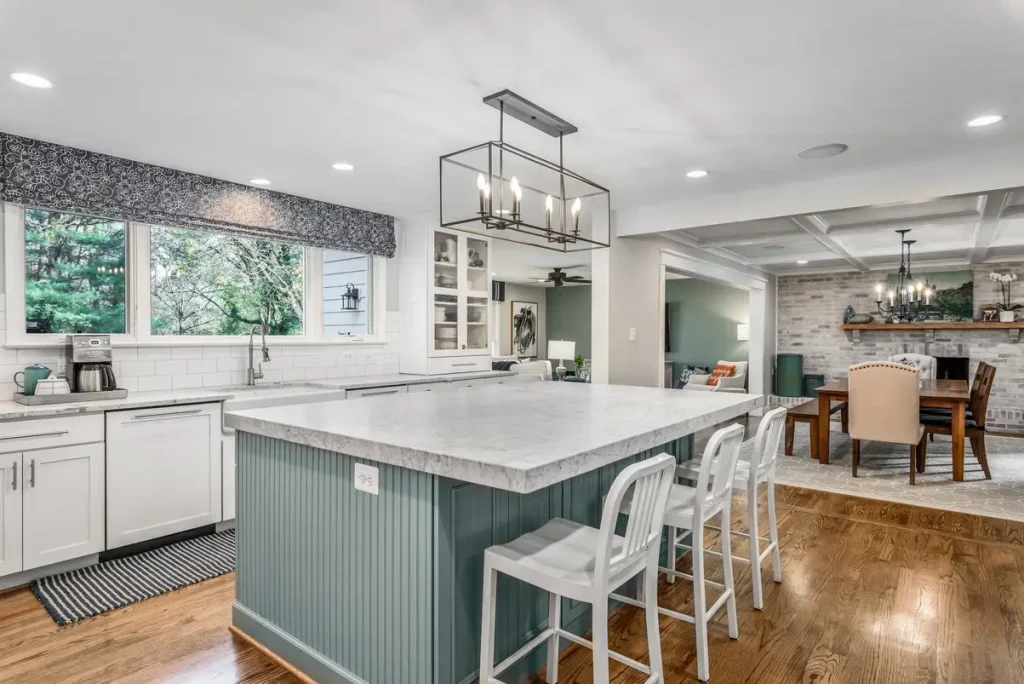
Pair a dramatic quartz waterfall island with simple shaker cabinets, or install designer sconces above an affordable subway-tile backsplash. These high/low combinations keep sight lines stunning while trimming the invoice. Lean on your contractor’s showroom relationships to access trade discounts on eye-catching statement pieces.
Keep Communication Crystal Clear
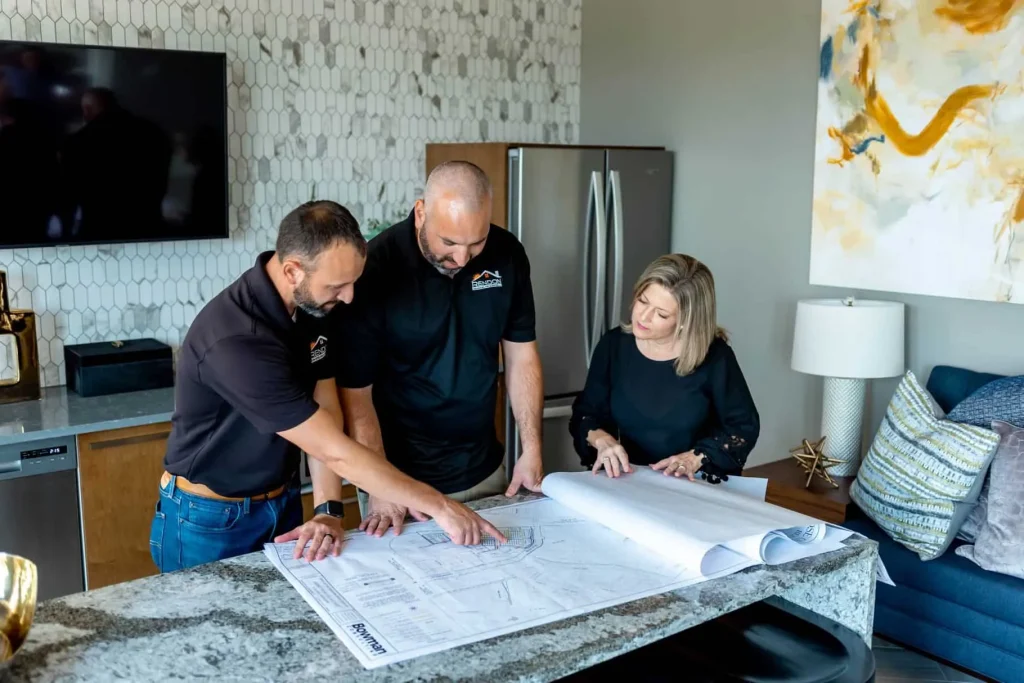
Misunderstandings are budget killers. Sign a detailed scope of work, review drawings together, and schedule weekly check-ins. Clear communication eliminates “I thought it was included” moments that lead to expensive revisions. Document every change so you can track its impact in real time.
Turning Numbers Into a Plan You Trust
Learning the forces behind price tags empowers you to ask sharper questions, compare bids apples-to-apples, and negotiate from an informed position. It also transforms budgeting from a stressful guessing game into a remodel budget planning you can feel confident about.
Remember that remodeling price factors influence each other. A smaller footprint means fewer materials and shorter labor hours; pragmatic material choices reduce installation complexity; upfront contingency cushions hidden conditions. When these elements align, renovation costs come into focus, and you avoid the “money pit” feeling that gives remodeling a bad rap.
Bring Your Vision Home With Rendon Remodeling & Design
We’ve explored the moving pieces that shape a remodeling quote, and now we’re ready to turn insight into action. At Rendon Remodeling & Design, LLC, we harness nearly two decades of Northern Virginia building experience to guide homeowners through creative design, transparent budgeting, and meticulous construction.
Our family-owned team pairs award-winning craftsmanship with open communication, making every step—from the initial concept to the final walk-through—feel collaborative and predictable. If you’re ready to see how the principles above translate into a tailored proposal for your kitchen, bath, basement, or addition, contact us to learn more.